WhatsApp Business ROI 2026: 10 Real Case Studies
Why Theoretical Strategies Fail — and Real-World Examples Win
Most marketing playbooks tell you what to do. They rarely show you exactly how it worked — with numbers to prove it. That gap is why businesses waste budget on strategies that sound good in theory but collapse in execution. Real-world campaigns remove the guesswork. They show you the tactic, the audience, the message, and the result.
WhatsApp has become the most powerful direct marketing channel available today. It delivers a 98% open rate — compared to email’s 20-25% average. It reaches 2.7+ billion active users globally. And brands are achieving 3x to 42x ROI on campaigns that would have been impossible on traditional channels.
Key Question: What makes WhatsApp superior to email or social media ads for conversion?
Three structural reasons:
- Immediacy: WhatsApp messages are read within 3-5 minutes of delivery on average. Email sits unread for hours or days.
- Personalization: WhatsApp enables true one-to-one conversation — not a broadcast disguised as personal communication.
- Zero Friction: No inbox clutter, no spam filters, no ad blindness. The message arrives in a channel the customer already uses daily and trusts completely.
Social media ads interrupt. Email competes in a crowded inbox. WhatsApp arrives like a message from a friend — and converts like one too. These 10 campaigns prove it. Across Retail, Automotive, Finance, Education, Food & Beverage, Travel, Healthcare, Real Estate, and B2B SaaS — the pattern is consistent: personalization + automation + low friction = massive ROI.
Table of Contents
Retail & E-Commerce: Driving Urgency and Personalization
Retail brands face 3 core challenges: standing out in a crowded market, staying relevant to individual buyers, and closing the sale before the customer drifts. WhatsApp solves all three simultaneously — by delivering the right message to the right person at the exact moment they’re ready to act.
Clarins: The “Lipstick Day” Personalization Engine
Luxury beauty brand Clarins faced a problem every retail marketer knows well: declining email open rates and flat conversion from generic product blasts. Their database was large, but their campaigns weren’t connecting.
The Strategy: Clarins moved away from mass email entirely. They used the WhatsApp Business API to send one-to-one personalized video messages to each customer. They pulled data from purchase history, browsing behavior, and product preferences to build individual message streams. Each customer received a short video recommending products specifically chosen for them — paired with interactive product carousel cards for instant, in-chat browsing.
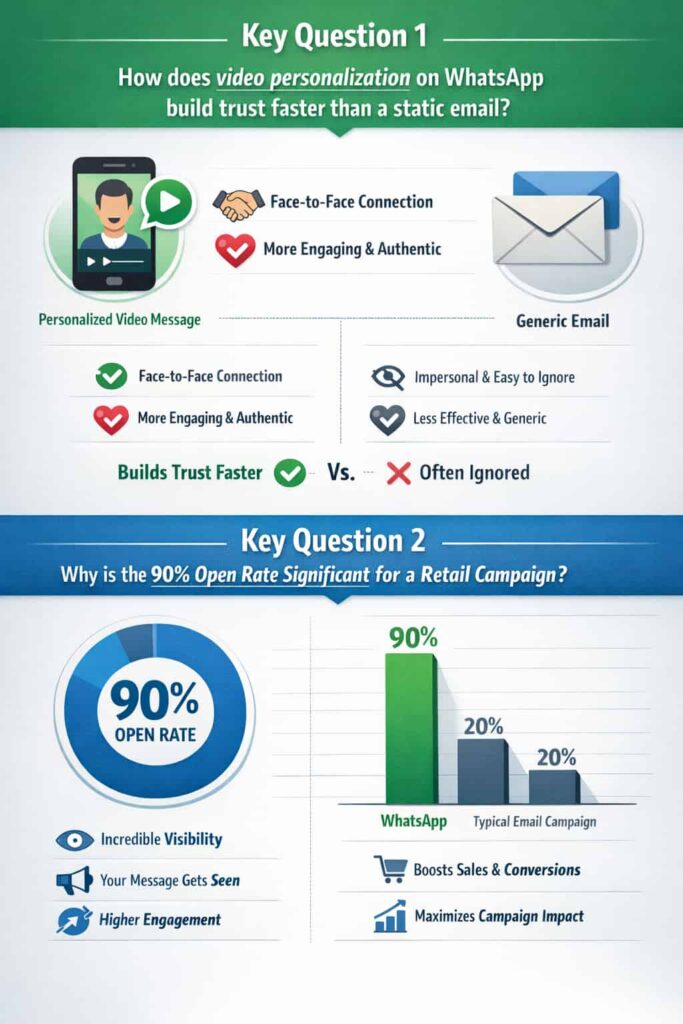
Key Question 1 — How does video personalization on WhatsApp build trust faster than a static email?
Video triggers emotional response in a way text cannot. When a customer receives a video that addresses them by name, references a product they’ve previously browsed, and feels curated — not broadcast — it creates a powerful ‘they actually know me’ effect. Trust accelerates. Hesitation drops. The message lands in a private, personal channel, not a promotional tab filled with 47 other brands competing for attention.
Key Question 2 — Why is the 90% open rate significant for a retail campaign?
A 90% open rate means 9 out of every 10 customers you paid to acquire actually see your message. At email’s 20-25% average, you’re effectively invisible to 75-80% of your list. For a retail campaign where margin is tight and list-building is expensive, the difference between a 25% and 90% open rate is the difference between a profitable campaign and a break-even one.
Core Tactic: Customer data-triggered personalized video + product carousel automation.
| Metric | Result |
|---|---|
| Open Rate | 90% |
| Conversion Rate Lift | 7x higher vs. standard email |
| Channel | WhatsApp Business API |
Takeaway: Personalization engines, CDPs (Customer Data Platforms), and WhatsApp API integration form a trio that delivers both higher engagement and lower cost-per-conversion simultaneously.
Flash Sale Notifications via WhatsApp Status
An emerging high-performance tactic among D2C e-commerce brands uses WhatsApp Status (Stories) as a zero-cost broadcast channel for time-sensitive flash sales.
The Strategy:
- Post a 60-90 minute exclusive flash sale on WhatsApp Status
- Include a ‘Reply to this Status to claim your discount’ CTA
- Segment Status viewers by purchase history, VIP tier, or product interest
- Fulfill the offer via a direct DM conversation — creating a one-to-one interaction that feels personal, not promotional
WhatsApp Status views are organic and zero-cost. Unlike Instagram Stories ads (which require paid promotion), Status reaches your existing subscriber base for free. The scarcity element — a 1-hour window — drives immediate action over procrastination.
| Metric | Result |
|---|---|
| Status view-to-DM conversion | 15-25% among engaged subscribers |
| Stock clearance within campaign window | 40-60% |
| Cost per conversion | Near zero (organic channel) |
Core Tactic: Scarcity-framed Status post + direct reply redemption + personalized DM fulfillment.
Both Clarins and the flash sale model share the same core principle: relevance and urgency collapse the buyer’s decision timeline from days to minutes.
Automotive: High-Ticket Sales & Lead Activation
High-ticket sales cycles are long. Cold leads go silent. Sales reps waste hours chasing prospects who showed interest months ago and have since moved on. WhatsApp reactivates them — in a channel that feels personal, not pushy.
AUTOMAX: The Broadcast Activation Blitz
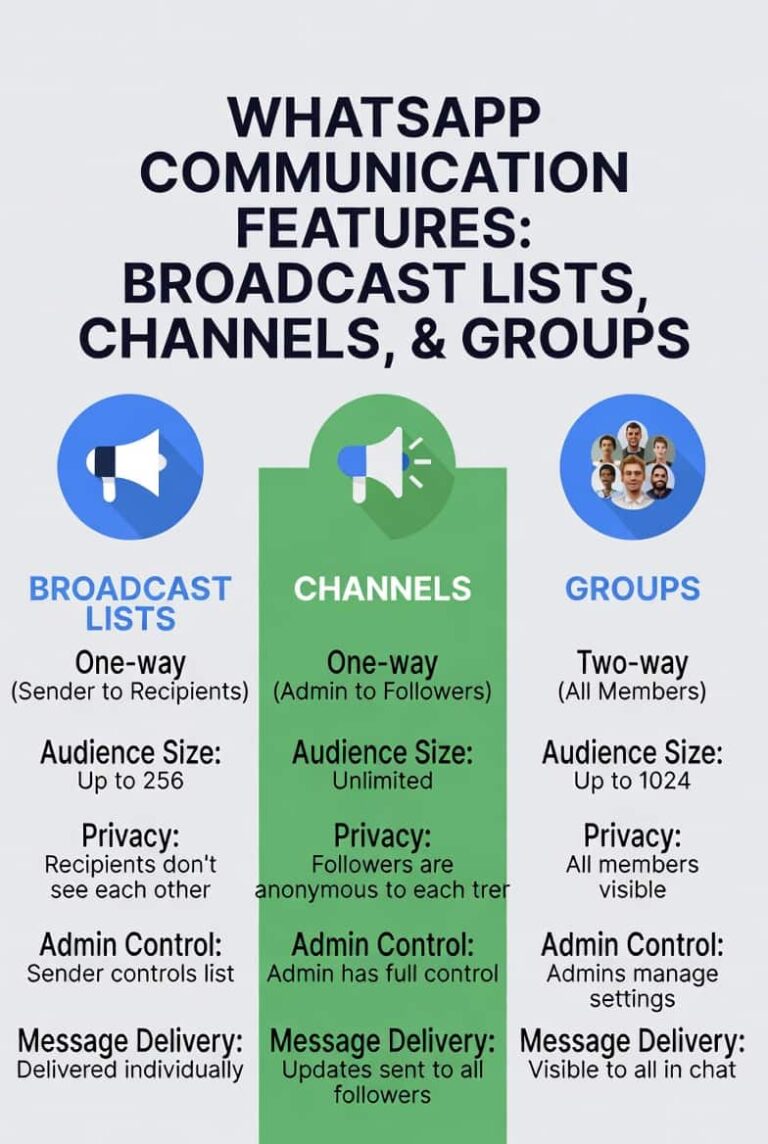
AUTOMAX, an automotive dealer network, had a familiar pipeline problem: hundreds of warm leads — prospects who had attended showroom events, browsed inventory online, or requested quotes — who had not converted. Cold calling produced minimal pickup. Email follow-ups were ignored.
The Strategy: AUTOMAX built segmented WhatsApp broadcast lists based on prospect interest signals. Each message was personalized to reference the prospect’s specific area of interest (e.g., SUV range, financing options, trade-in value). The offer was time-sensitive — a limited trade-in bonus or exclusive financing deal available only to WhatsApp subscribers, expiring within 48 hours.
Key Question 1 — Why is WhatsApp more effective than cold email for high-ticket items?
Cold email arrives in a cluttered inbox alongside dozens of other promotional messages. Cold calling triggers immediate resistance. A WhatsApp message arrives in the same channel the prospect uses to text family and friends — it feels direct, personal, and low-pressure. For high-consideration purchases like vehicles, the conversational format lets prospects ask questions naturally, reducing the anxiety that stalls big-ticket decisions.
Key Question 2 — How do you maintain a premium brand image while pushing time-sensitive offers?
The key is exclusivity framing. The message is not ‘SALE — ACT NOW.’ It is ‘As a valued member of our WhatsApp community, we’re offering you an exclusive benefit available only through this channel.’ This approach preserves brand prestige while creating genuine urgency — the offer feels like a privilege, not a discount.
Core Tactic: Interest-segmented broadcast + exclusivity framing + 48-hour expiry CTA.
| Metric | Result |
|---|---|
| Campaign ROI | 42.5x return on campaign spend |
| Channel | WhatsApp Business Broadcast Lists |
| Strategy | Segmented, time-limited exclusive offers |
Financial Services: Reactivating “Cold” Leads
Financial services companies hold enormous untapped value in their databases: users who started applications, requested quotes, or expressed interest — then disappeared. WhatsApp is the fastest and most effective channel to bring them back.
UA Finance: The Dormant User Reactivation Campaign
UA Finance identified a critical revenue leak: thousands of users had begun loan applications but abandoned the process before completion. Email re-engagement returned weak results. SMS felt generic and impersonal.
The Strategy: UA Finance used the WhatsApp Business API to send each dormant user a personalized pre-approved loan offer. The message referenced their specific partial application, stated a pre-approved loan amount, and used a single, frictionless CTA: ‘Reply YES to proceed.’ No app login. No form. No document upload. One word to restart the process.
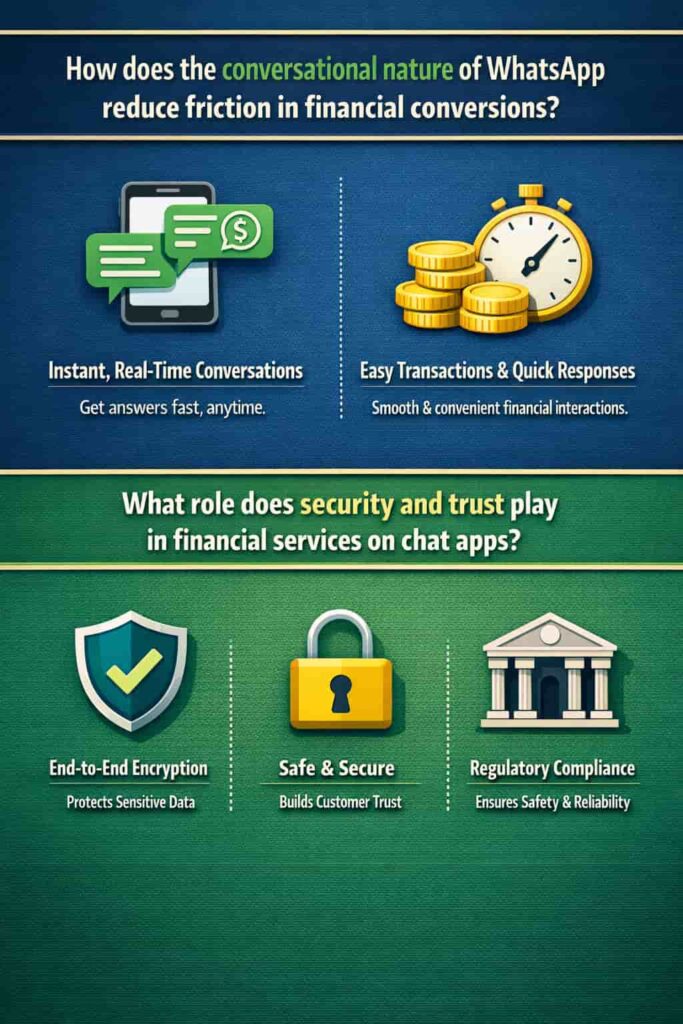
Key Question 1 — How does the conversational nature of WhatsApp reduce friction in financial conversions?
Financial decisions carry anxiety. The process itself — logging in, navigating forms, uploading documents — is often the primary reason users abandon. WhatsApp removes the process entirely. A single reply continues the journey. The customer doesn’t feel like they’re starting over; they feel like they’re picking up a conversation. That psychological shift is the difference between a 6.6x response rate improvement and another ignored email.
Key Question 2 — What role does security and trust play in financial services on chat apps?
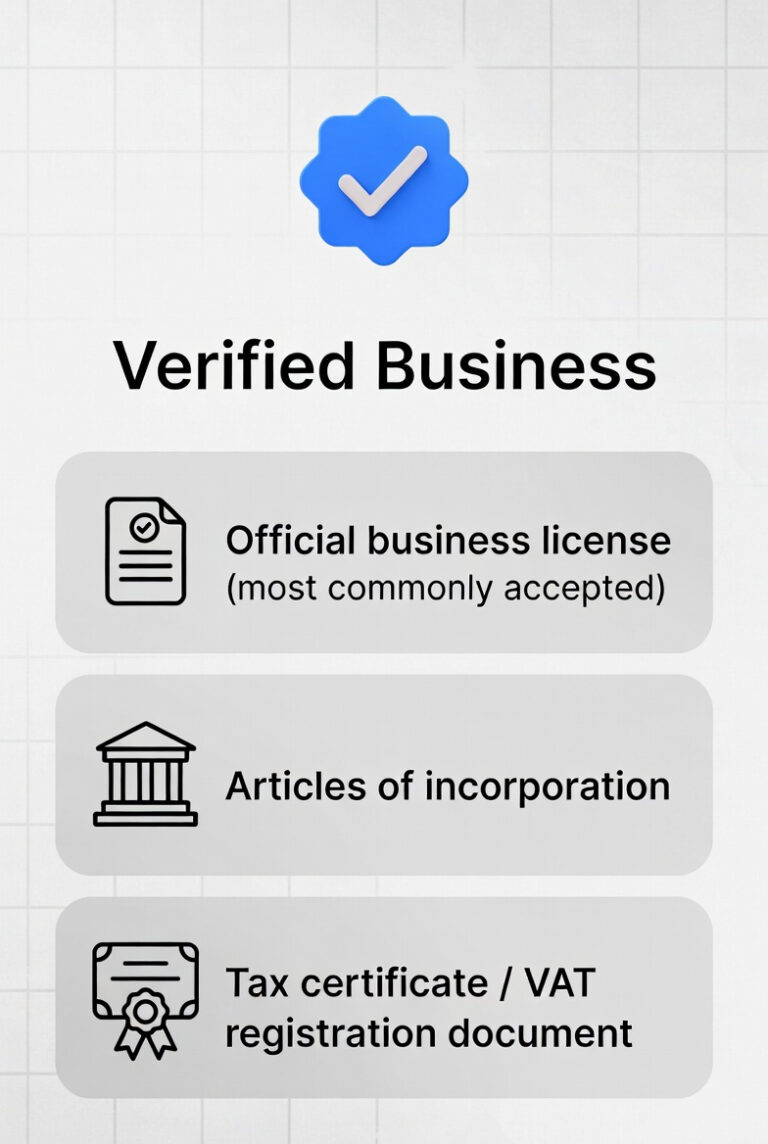
Trust is non-negotiable in finance. WhatsApp Business API accounts for approved businesses carry a verified green tick — a visible signal that the message comes from a legitimate, verified entity. Combined with personalized content (referencing the user’s actual application details), this dramatically reduces the perception of fraud or spam. Users respond because the message feels authentic and the platform is familiar.
Core Tactic: Personalized pre-approval offer + zero-friction single-reply CTA + verified business account.
| Metric | Result |
|---|---|
| Response Rate Increase | 6.6x vs. SMS/Email reactivation |
| CTA Used | Single-reply ‘YES to proceed’ |
| Channel | WhatsApp Business API (Verified) |
Education & EdTech: Student Acquisition at Scale
Education buyers — students and parents — are research-intensive. They browse multiple platforms, compare options for weeks, and routinely abandon landing pages mid-funnel. WhatsApp intercepts them at peak intent and converts the moment of curiosity into a conversation.
FliQi: Breaking Into New Markets with Click-to-WhatsApp Ads
FliQi, a competitive exam preparation platform, faced a classic EdTech conversion problem: high ad spend on Facebook and Instagram driving traffic to landing pages — but a poor conversion rate. Users clicked, browsed, and left without taking action.
The Strategy: FliQi replaced their landing page destination entirely. They ran Click-to-WhatsApp ads on Facebook and Instagram. When a prospect clicked the ad, it opened a WhatsApp chat directly — where a live counselor or AI chatbot was immediately available to answer questions, understand the student’s goals, and recommend the right course. No form. No email capture page. No waiting 24 hours for a callback.
Key Question 1 — Why is conversation a better conversion tool than form-filling for education?
Education decisions are complex and personal. A student choosing between two exam prep courses has questions a form cannot answer: ‘Which is right for my current level? How long until I’m ready to sit the exam? What if I fail again?’ A conversation handles all of these instantly — and the act of answering creates commitment. The student invests 5 minutes in a chat and feels guided, not processed.
Key Question 2 — How does this strategy reduce cost per lead?
Landing pages lose 70-90% of visitors before they convert. Every visitor who bounces represents wasted ad spend. By replacing the landing page with a direct WhatsApp conversation, FliQi eliminated the bounce entirely. The click is the conversion entry point. Cost per lead dropped because fewer steps between ad click and qualified interaction means fewer drop-off points.
Core Tactic: Social media ads → instant WhatsApp chat → personalized counselor conversation → course enrollment CTA.
| Metric | Result |
|---|---|
| WhatsApp as % of Total Business | 60% of total business volume |
| Ad Type | Facebook/Instagram Click-to-WhatsApp |
| Cost Per Lead Impact | Significant reduction vs. landing page |
Food & Beverage: Operational Efficiency via AI
Quick-service restaurants handle enormous daily volumes of customer queries — order status, store locations, menu information, promotional FAQs, and complaints. AI-powered WhatsApp automation solves this at scale without degrading the customer experience.
KFC: AI-Powered Ordering & Customer Support
KFC integrated an AI chatbot into its WhatsApp Business API channel to manage high-volume customer interactions across ordering, FAQs, store information, and complaint routing.
The Strategy — Two-Tier Triage Model:
- Tier 1 (AI-handled): Order status, store locations, menu queries, promotional FAQs, basic complaints — resolved instantly, 24/7, without human involvement
- Tier 2 (Human-escalated): Refund requests, complex complaints, unusual orders, emotional or sensitive interactions — routed to live agents in real time
Key Question 1 — How does automation on WhatsApp improve the customer experience for quick-service restaurants?
Speed is the currency of QSR customer service. A customer asking, ‘Where’s my order?’ at 7:30 PM wants an answer in seconds — not a ticket number and a 2-hour wait. The AI bot delivers instant responses at any hour, eliminating hold times and reducing frustration. The result isn’t just cost savings — it’s a measurably better customer experience for the 72% of queries that are simple and repetitive.
Key Question 2 — What is the balance between AI automation and human touch?
The optimal model is intelligent triage, not full replacement. AI handles volume and speed. Humans handle empathy and complexity. A customer asking ‘What’s in the Zinger burger?’ doesn’t need a human. A customer complaining that their order was wrong and they have a food allergy does. KFC’s model correctly identifies which is which — and routes accordingly.
Core Tactic: Intent-based AI triage + NLP chatbot for FAQs + hybrid human escalation for complex issues.
| Metric | Result |
|---|---|
| Queries Resolved by AI Bot | 72% of all incoming messages |
| Customer Service Cost Reduction | 38% |
| Human Agent Escalation Rate | ~28% of queries |
Three automation types — intent-based bots, NLP-driven chatbots, and hybrid AI-human workflows — provide both operational cost reduction and customer satisfaction improvement simultaneously.
Travel & Hospitality: Hyper-Personalized Guest Experience
Travel customers expect seamless, proactive communication. They want information before they ask for it, instant responses when they do ask, and a service experience that feels personal — not templated. WhatsApp becomes their end-to-end travel companion.
The “Digital Concierge” Model (Airlines & Hotel Chains)
Forward-thinking hotel groups and airline brands now deploy WhatsApp as a full-journey digital concierge channel. One continuous thread replaces fragmented communication across email, phone, and app.
The Strategy — Three Phases:
Pre-Arrival:
- Booking confirmation + digital welcome pack sent via WhatsApp
- Pre-check-in form completed in-chat (no app required)
- Personalized local recommendations, weather updates, and activity suggestions
During the Stay:
- Real-time room service requests, upgrade offers, and concierge queries via chat
- Spa, excursion, and dining upsell offers triggered by stay timeline
- Instant fulfillment of ‘extra towels,”late checkout,’ and ‘airport transfer’ requests
Post-Stay:
- Automated satisfaction survey with 1-tap rating
- Loyalty points balance update
- Personalized re-booking offer based on stay preferences and history
| Metric | Result |
|---|---|
| Ancillary Revenue Upsell Increase | +20-35% via in-stay WhatsApp offers |
| CSAT Score Improvement | +15 points average |
| Post-Stay Survey Response Rate | 4x higher vs. email surveys |
Non-Profit & Healthcare: Community Building & Trust
Healthcare communication demands precision, privacy compliance, and trust. Missed appointments cost health systems billions annually. WhatsApp, deployed through the verified Business API, addresses all three challenges simultaneously.
Appointment Reminders & Health Tips (Health Foundation Model)
Healthcare providers and non-profit health foundations use WhatsApp Business API to send secure, personalized patient communications — reducing no-shows, improving adherence, and building genuine patient relationships.
The Strategy — Four-Touch Communication Flow:
- 48-hour reminder: Date, time, location, and pre-consultation preparation instructions
- Same-day reminder: Directions, parking information, and what to bring
- Post-visit care tips: Specific to the treatment or consultation received
- 72-hour follow-up check-in: ‘How are you feeling?’ message with care plan reminders
No-show rates in healthcare average 15-30% globally. The three primary causes are: patients forgetting, patients confused about instructions, and patients feeling too anxious to attend. Timely, friendly WhatsApp reminders with clear instructions address all three directly. The conversational format also allows patients to ask questions before the appointment — reducing anxiety and increasing attendance.
| Metric | Result |
|---|---|
| No-Show Rate Reduction | Up to 40% with automated reminder sequences |
| Patient Adherence Improvement | Significant improvement in post-visit follow-through |
| Patient Channel Preference | 67% prefer messaging over phone calls |
Real Estate: High-Value Lead Nurturing
Real estate buyers make the largest financial decisions of their lives. They need to see properties clearly, ask questions freely, and move through the decision cycle with confidence. WhatsApp delivers the full experience — visually and conversationally.
Virtual Tour Broadcasting (Luxury Developer Model)
Premium real estate developers are replacing PDF brochures and cold email attachments with curated WhatsApp broadcast campaigns built around virtual property tour videos.
The Strategy — Three-Stage Campaign:
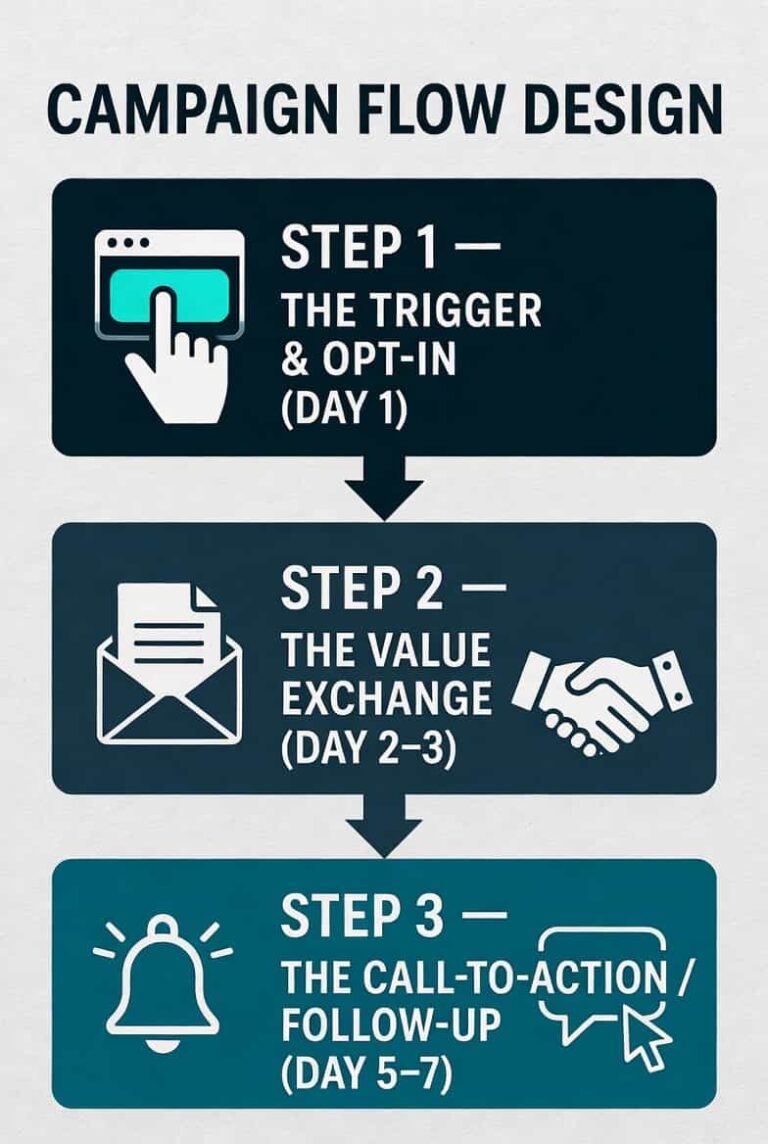
Stage 1 — Awareness Broadcast: Send a curated 60-second virtual tour video of a new listing to a segmented subscriber list filtered by budget range, location preference, and property type interest.
Stage 2 — Instant Q&A: Interested prospects reply directly. A dedicated agent handles questions in real time — floor plans, pricing, availability, legal process — within the same chat thread.
Stage 3 — Conversion Push: Qualified leads receive a personalized follow-up message with detailed pricing, floor plan PDFs, and a direct booking link for a private in-person or virtual viewing.
Why video beats PDF brochures: PDFs require downloading, opening, and deliberate navigation. Most never get opened at all. A WhatsApp video plays automatically — the visual impact is immediate. A virtual tour creates emotional connection with a property in 60 seconds that a 20-page PDF brochure cannot create in 20 minutes. Serious buyers self-select by replying.
| Metric | Result |
|---|---|
| Decision-Making Cycle Reduction | 30-50% faster with video vs. PDF |
| Qualified Lead Engagement Rate | 3x higher for video broadcasts |
| Cost Per Qualified Lead | 40% lower vs. traditional print advertising |
B2B SaaS: Account-Based Marketing (ABM)
B2B decision-makers receive dozens of LinkedIn InMails, cold emails, and sales sequences every week. Most are ignored. WhatsApp cuts through the noise by delivering personalized, high-value content in a channel that demands attention.
Direct Line to Decision-Makers (B2B SaaS ABM Model)
Leading B2B SaaS companies train account executives to use WhatsApp as a premium ABM channel for C-suite, VP, and Director-level outreach — bypassing the overcrowded professional networking channels entirely.
The Strategy — Three-Touch WhatsApp ABM Approach:
- Touch 1 — Personalized Demo Video: A 2-minute screen recording addressing the prospect’s specific pain point — sent via WhatsApp with a short personal note from the AE
- Touch 2 — Relevant Case Study: A one-page case study from the prospect’s industry showing a concrete result (e.g., ‘How [Company Type] reduced churn by 28% in 90 days’)
- Touch 3 — Soft CTA: ‘Would a 15-minute call this week make sense?’ — low pressure, easy to say yes to
Why WhatsApp outperforms LinkedIn InMail for ABM: LinkedIn InMail open rates average 10-25%. WhatsApp messages from known contacts achieve 85-95% read rates. For high-value accounts where a single closed deal is worth $50,000-$500,000, that read rate differential is not a minor improvement — it is a fundamental competitive advantage. Decision-makers check WhatsApp. They do not always check LinkedIn.
| Metric | Result |
|---|---|
| Decision-Maker Connection Rate | 3x higher vs. LinkedIn InMail |
| Sales Cycle Length | 25-40% shorter with WhatsApp ABM |
| Demo Acceptance Rate | 2x higher for personalized video outreach |
Key Takeaways: The Common Thread Across All 10 Campaigns
Every campaign above — across 10 industries, 3 continents, and wildly different business models — shares the same 3 structural principles:
1. Personalization at Scale: Clarins used purchase data to send individual product videos. UA Finance referenced each user’s specific partial application. AUTOMAX segmented by vehicle interest. In every case, the message felt personal — because it was. Generic broadcasts fail; data-driven personalization converts.
2. Immediacy and Zero Friction: FliQi replaced form-filling with instant conversation. KFC replaced hold times with AI responses. UA Finance replaced multi-step login with a single-word reply. The campaigns that converted fastest removed every barrier between message and action.
3. The Right Channel for the Right Moment: WhatsApp is not a replacement for every channel. It is the optimal channel for high-intent, time-sensitive, and trust-dependent communications. That is exactly why it consistently outperforms email and SMS across every case study above.
WhatsApp vs. Email vs. SMS: Performance Comparison
| Metric | SMS | ||
|---|---|---|---|
| Average Open Rate | 98% | 20-25% | 82% |
| Average Response Rate | 40-60% | 6-8% | 14-16% |
| Rich Media Support | Full | Limited | None |
| Two-Way Conversation | Native | No | No |
| Automation Support | Full API | Full | Limited |
| Personalization Depth | High | Medium | Low |
| Cost Per Message | Low-Medium | Very Low | Medium |
| Spam Filter Risk | Very Low | High | Medium |
(FAQ) -People Also Ask
Q: What is the average ROI for a WhatsApp marketing campaign?
ROI varies by industry and strategy. AUTOMAX achieved 42.5x ROI. Clarins saw a 7x conversion lift. UA Finance recorded a 6.6x response rate increase. Most businesses report a 3-10x return on well-structured WhatsApp campaigns.
Q: Do I need the WhatsApp Business API to run these campaigns?
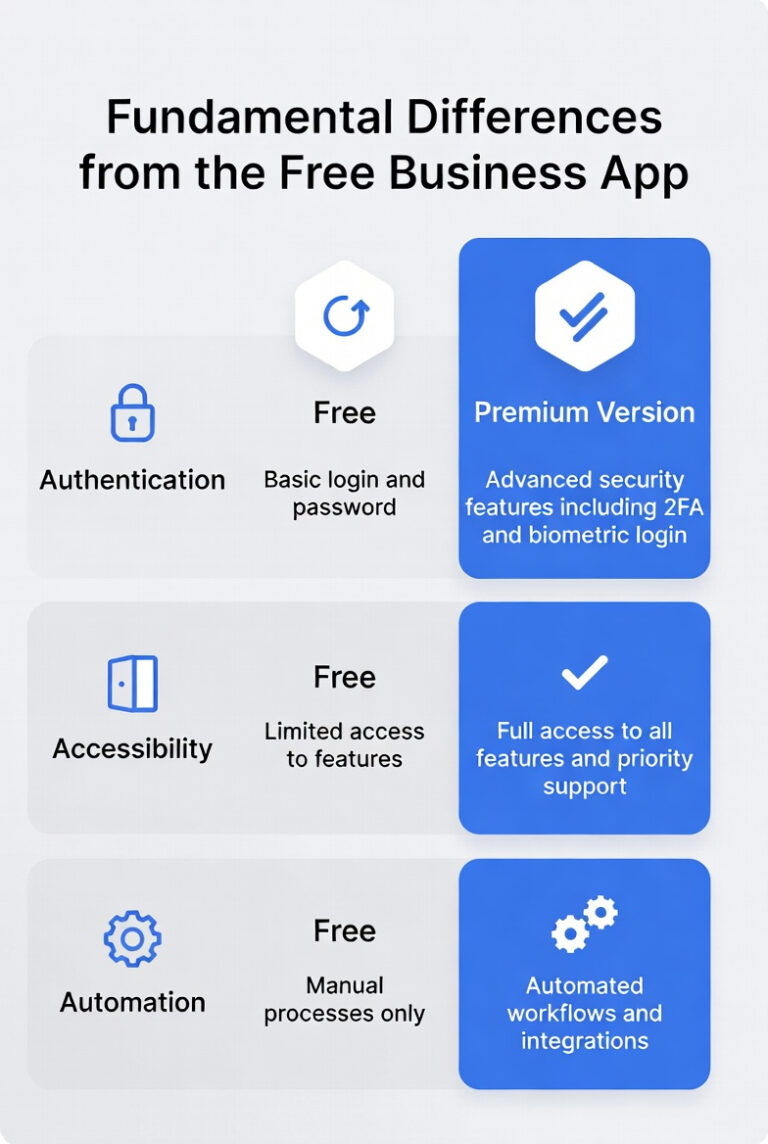
For small businesses with basic needs, the free WhatsApp Business App supports manual messaging. For broadcast campaigns, automation, AI chatbots, and CRM integration — as used in all 10 campaigns above — the WhatsApp Business API via an official BSP (Business Solution Provider) is required.
Q: Is WhatsApp marketing legal? How do I stay compliant?
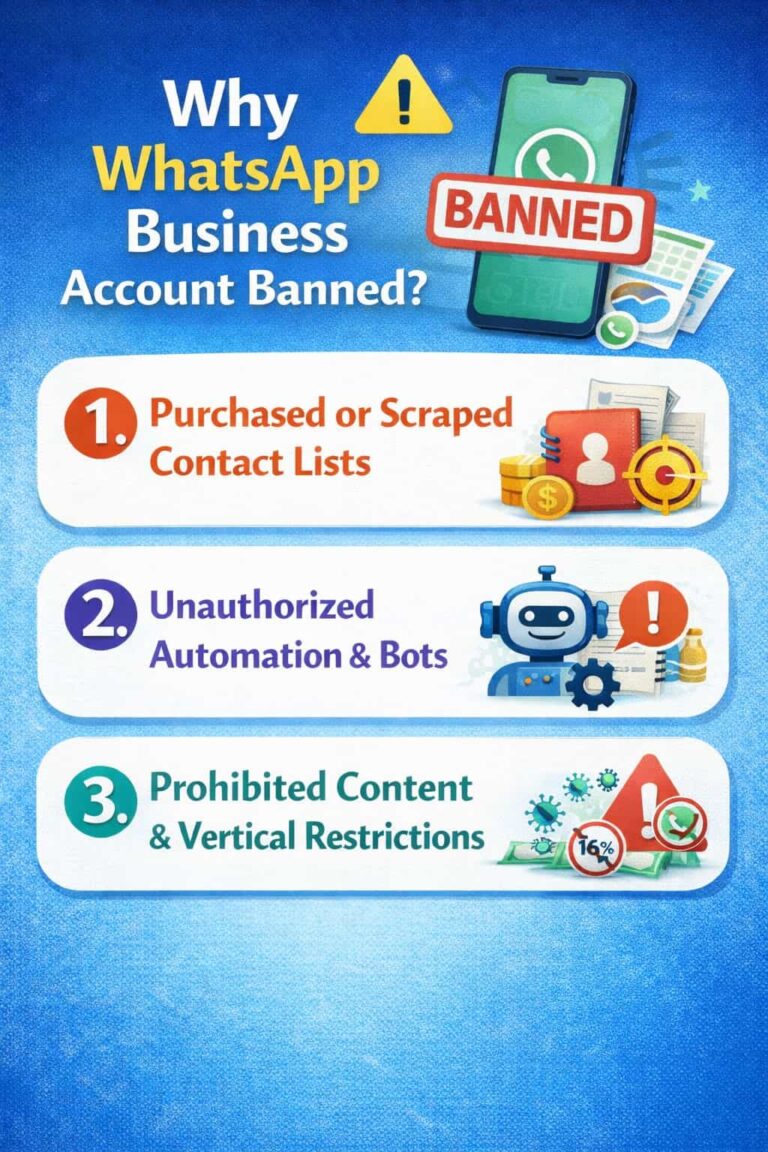
Yes — but only with explicit opt-in consent. You must never send marketing messages to users who haven’t agreed to receive them. Build a permission-based list using opt-in CTAs on your website, checkout flow, and Click-to-WhatsApp ads. Non-compliant messaging risks account suspension by Meta.
Q: What is the first step a business should take to replicate these results?
Two foundational steps: (1) Build a permission-based WhatsApp subscriber list — start with opt-in CTAs on existing channels. (2) Choose an official WhatsApp Business API provider that supports segmentation, automation, and analytics. Then launch one focused use case — cart abandonment, appointment reminders, or lead reactivation — before scaling.
Q: How do I build a WhatsApp subscriber list quickly?
Three proven methods: (1) Facebook/Instagram Click-to-WhatsApp ads — the fastest growth channel. (2) QR codes on packaging, receipts, or in-store displays. (3) WhatsApp opt-in widgets embedded in your website checkout or contact page.
Q: Can small businesses use WhatsApp marketing like enterprise brands?
Absolutely. The strategies used by KFC, Clarins, and AUTOMAX are all scalable downward. A local business with 500 WhatsApp subscribers and a well-crafted broadcast can outperform a 5,000-person email list. Start with the Business App and upgrade to the API as volume grows.
Q: How does WhatsApp compare to email marketing for e-commerce specifically?
WhatsApp delivers 98% open rates vs. email’s 20-25%. For flash sales, abandoned cart recovery, and new product launches — where timing is everything — WhatsApp consistently outperforms email on both open and conversion rates. The immediacy factor alone justifies the channel switch for time-sensitive retail campaigns.
Conclusion: WhatsApp Is No Longer a Support Channel — It’s Your Primary Revenue Driver
The evidence across these 10 campaigns is unambiguous. WhatsApp is no longer just a customer service tool. It is a primary revenue channel for brands that master personalization, automation, and conversational commerce.
From Clarins’ 90% open rates to AUTOMAX’s 42.5x ROI — from FliQi capturing 60% of total business to KFC cutting service costs by 38% — these results are not accidents. They are the outcome of deliberate, data-driven strategies executed through the world’s most personal communication channel.
What is the first step to replicating these results?
- Build a permission-based WhatsApp subscriber list — start with a single opt-in CTA on your highest-traffic page
- Choose the right WhatsApp Business API provider — one that supports segmentation, automation, and real-time analytics
- Launch one focused campaign — cart recovery, appointment reminders, or a lead reactivation sequence — measure the results, then scale
The businesses that treat WhatsApp as a serious revenue channel today will hold a significant competitive advantage over those still relying on email blasts tomorrow.
Ready to build your first winning campaign? Explore our full WhatsApp Marketing Strategy Guide for a step-by-step framework or contact us for a consultation to design an industry-specific WhatsApp campaign for your business.
References: Success Stories | Explore business case studies from WhatsApp, 5 Tips to Measure WhatsApp Campaign Performance, Benefit Cosmetics | WhatsApp Business
Last Update: 26th of March 2026